

The Components Behind aResilient Energy System.
CS2Energy designs around the operating requirements of the property, then selects the technologies that can work together to keep power available. Storage, generation, conversion, renewable input and intelligent controls each perform a different job.
The design principle: no single component should be expected to do everything. Resiliency comes from coordinating multiple energy resources into one operating architecture.
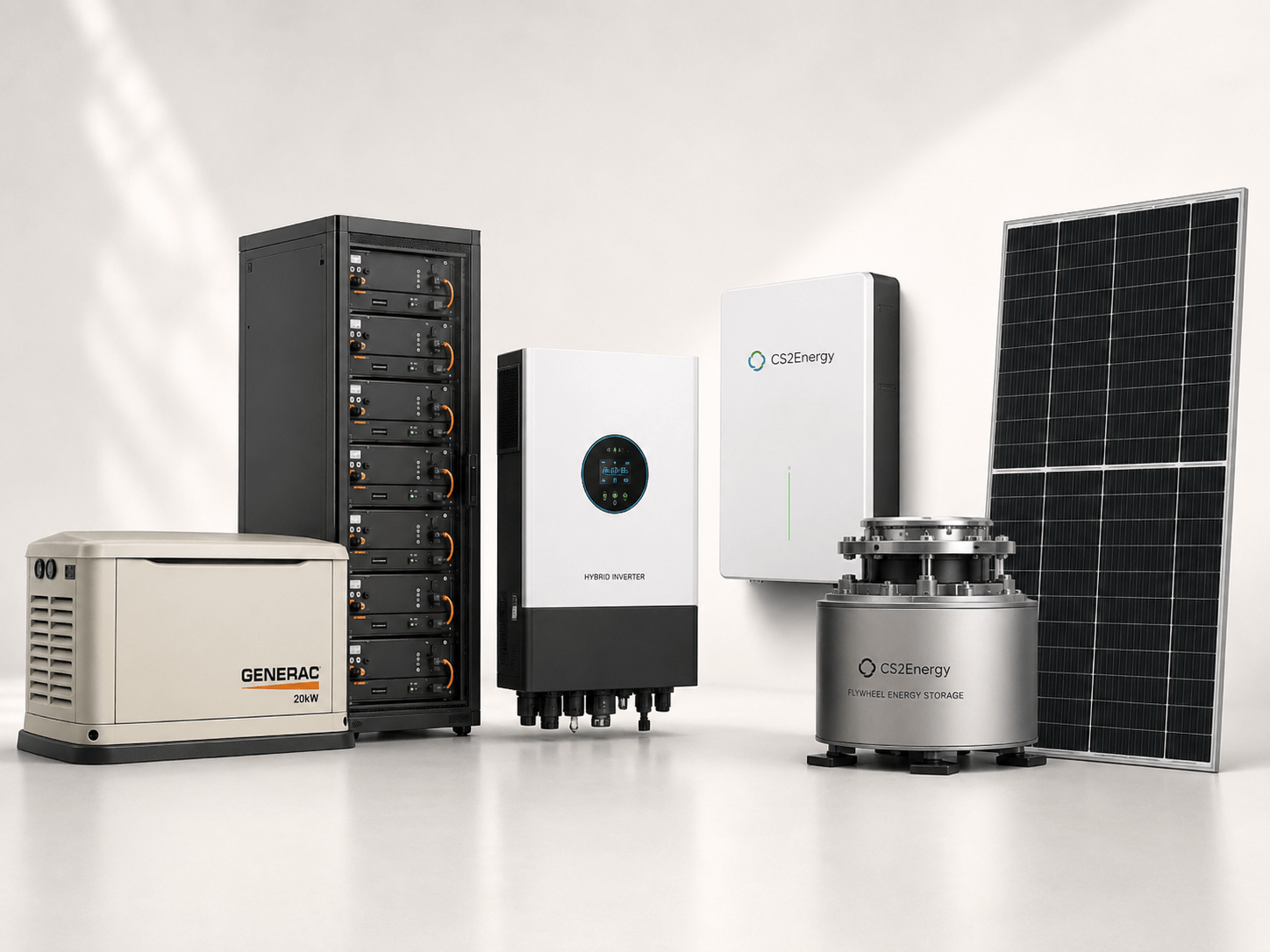
Core System Technologies
Each technology solves a different part of the resiliency problem. The objective is to combine the right components rather than oversize one component to compensate for the absence of another.
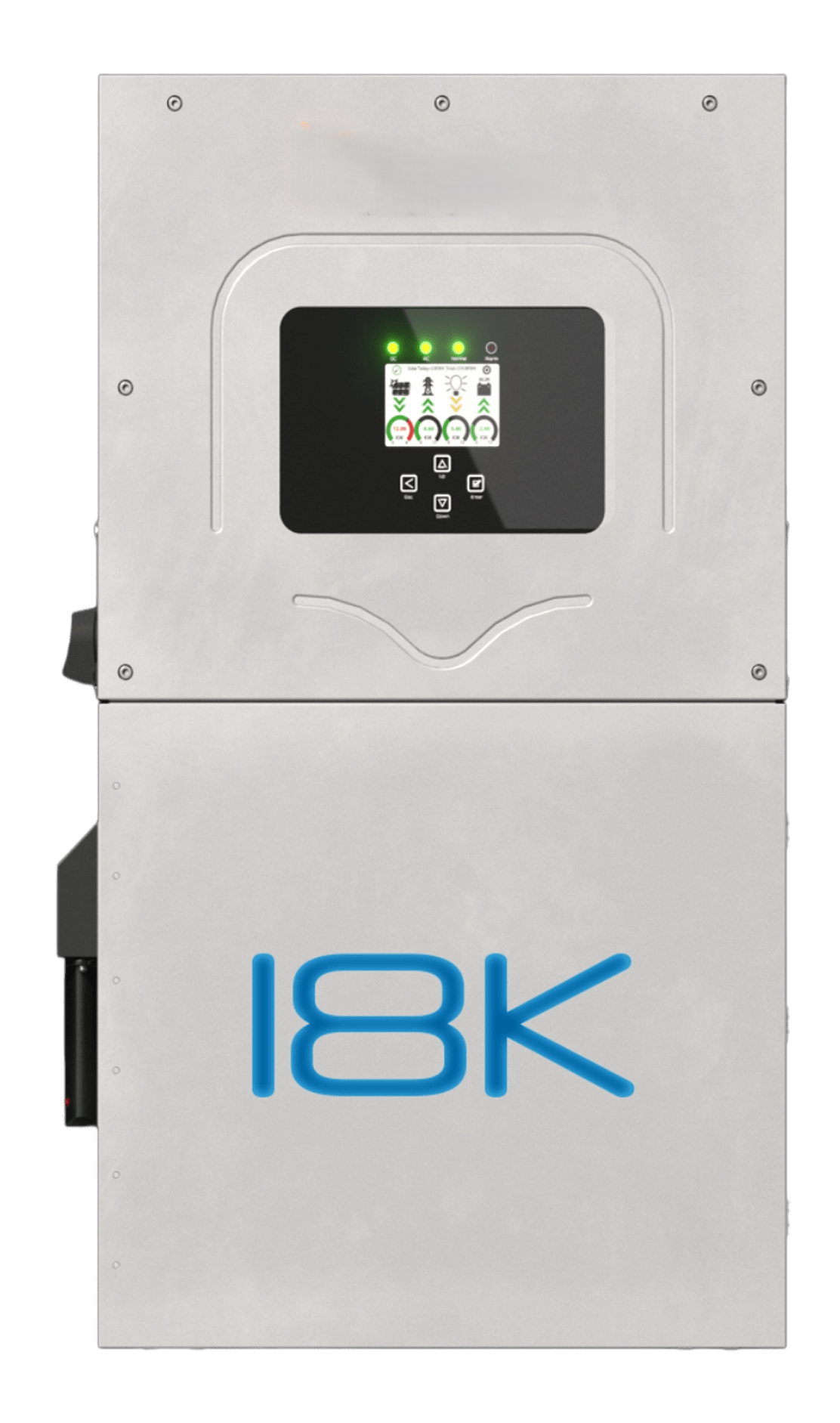
Hybrid Inverter
The Power-Management Hub
- Coordinates utility, ESS, generator and solar resources.
- Manages bidirectional power conversion and battery charging.
- Monitors ESS state of charge (SOC) and manages charge/discharge operating thresholds.
- Controls generator automatic start/stop based on system demand and ESS SOC.
- Supports programmable operating modes and load priorities.
- Provides the central electrical interface for resilient system design.
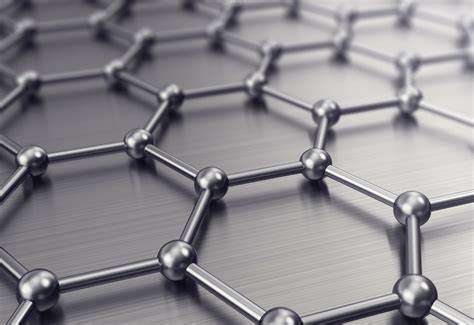
Graphene ESS
Rapid-Recharge Energy Storage
- Designed around rapid recharge and repeated energy availability.
- Modular configurations for residential and commercial applications.
- Works with local generation to restore stored energy during long outages.
- Supports resiliency strategies that emphasize recovery as well as runtime.
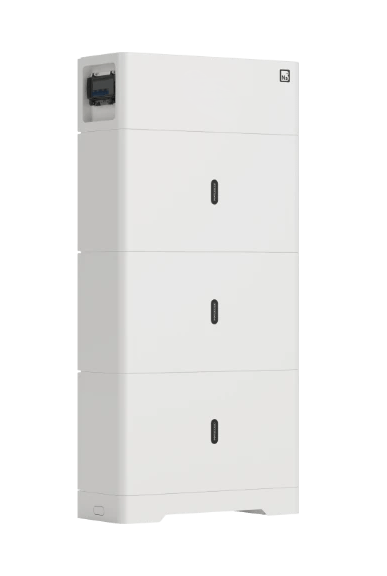
Sodium-Ion BESS
Scalable Stationary Energy Storage
- Modular battery architecture for stationary storage applications.
- Suitable for residential, commercial and micro-grid system design.
- Can scale from module and rack systems to larger commercial configurations.
- Provides another storage option where application requirements favor sodium-ion chemistry.
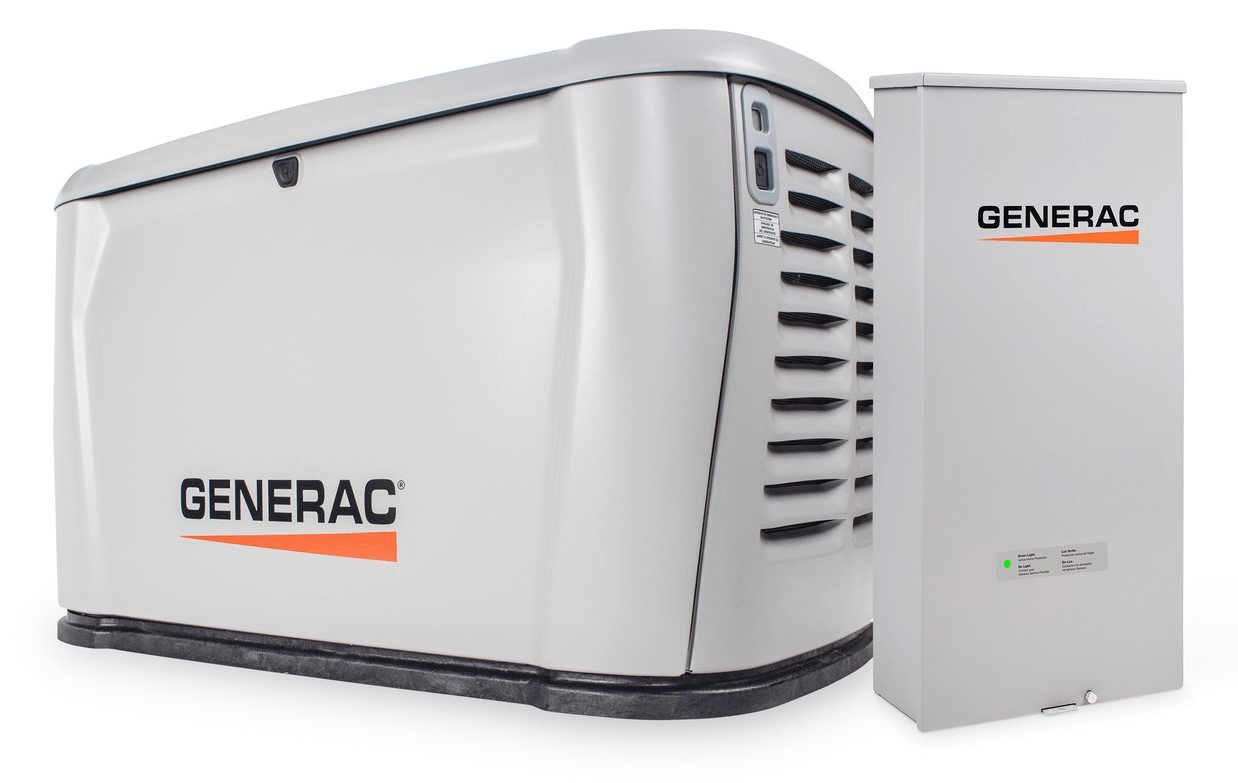
Natural Gas / Propane Generator
Long-Duration Energy Supply
- Extends operating duration during prolonged utility outages.
- Can support property loads while simultaneously restoring ESS capacity.
- Reduces the need to size storage for the entire duration of a multi-day outage.
- Automatic-start integration allows generation to operate only when needed.
- Manages connection and isolation between utility and local power sources.
- Protects equipment and supports proper system operating states.
- Provides the switching architecture required for backup and islanded operation.
- Selected around system capacity, installation requirements and applicable codes.
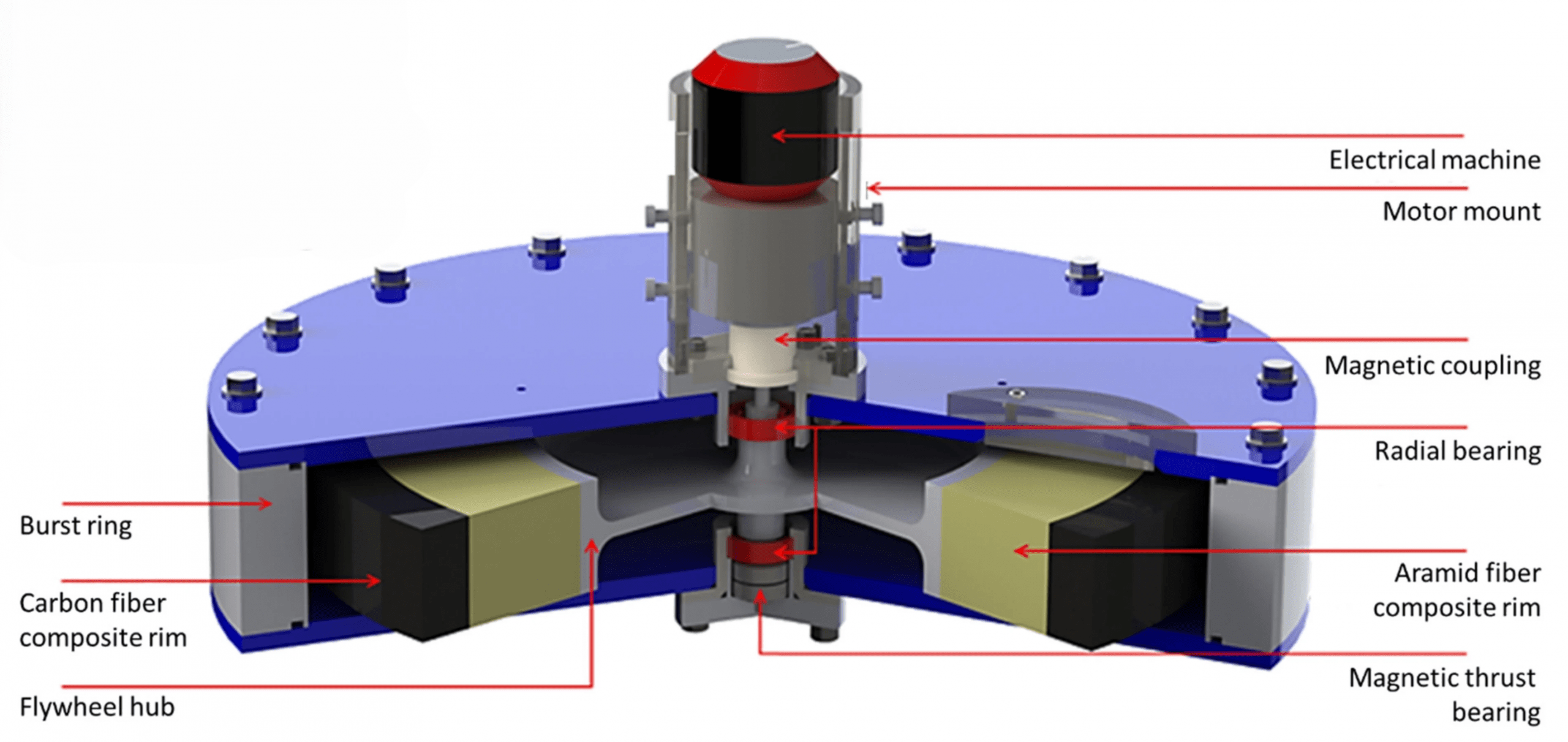
Flywheel Generator / Kinetic Storage
Fast Rotating Energy Reserve
- Stores energy mechanically in a rotating mass.
- Can respond rapidly to short-duration power events and load changes.
- Useful for power-quality support, ride-through and repeated cycling applications.
- Can complement battery storage where high-power, short-duration response is important.
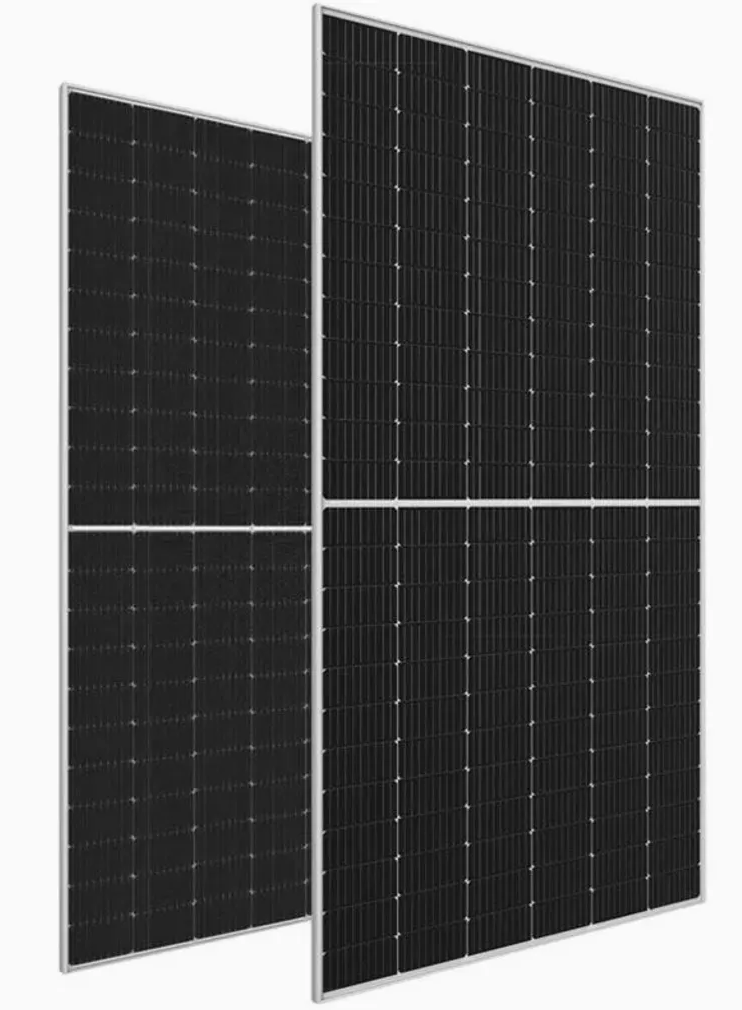
Monocrystalline Solar PV
Optional Renewable Energy Input
- Provides an additional source of daytime energy when conditions permit.
- Can be configured for roof-mount or ground-mount installations.
- May reduce generator runtime and contribute to ESS recharge.
- Remains an option within the architecture rather than the system’s single point of dependency.
How the Technologies Work Together
A resilient system changes operating modes as conditions change. The architecture determines which resource should respond first, which resource should restore stored energy, and which loads receive priority.
Technology Is Selected After the Requirement Is Defined.
CS2Energy begins with the property: what must remain operating, how much power those loads require, how long the property must remain functional, and what energy sources are available. The component choices follow from those requirements.
Discuss the Technology Around Your Project.
Tell us what cannot be allowed to stop. We can then determine which combination of storage, generation, conversion and control technologies belongs in the system.